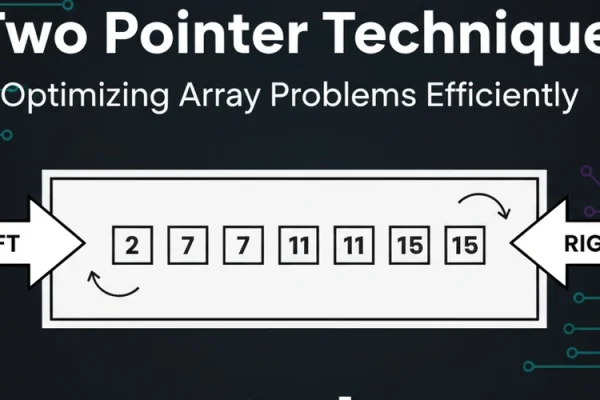
⚡ Two Pointer Technique – DEV Community

Ever spent hours writing nested loops to solve simple array or string problems, only to feel it’s slow and messy? The Two Pointer Technique is a game-changer. It’s a powerful strategy to traverse arrays, lists, or strings efficiently using two markers (pointers), reducing time complexity and improving code readability. By the end of this post,…

Read More

Keeping a WordPress site lightweight

Performance is often treated as an afterthought, something you fix once the site is live. But in reality, the way you build a WordPress site from the beginning determines how light (or heavy) it will be. A lightweight site is faster to load, easier to maintain, and more resilient as it grows. Here are some…

Read More

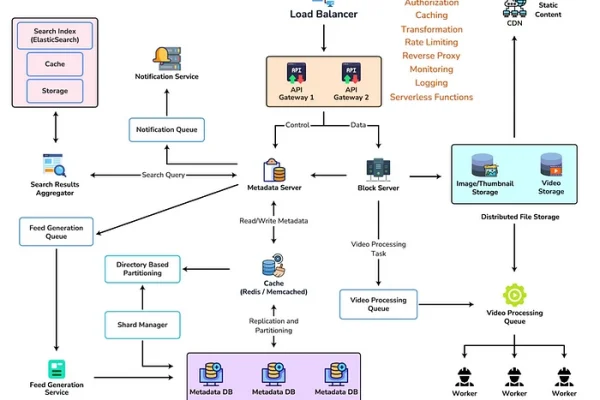
ByteByteGo vs DesignGurus.io? Which is better for System Design Interview Preparation?

Disclosure: This post includes affiliate links; I may receive compensation if you purchase products or services from the different links provided in this article. Hello folks, System design interviews are a crucial part of technical hiring, especially for senior engineering roles. When preparing for these interviews, two of the most popular resources are ByteByteGo by…

Read More

Expand (but stay in bounds)

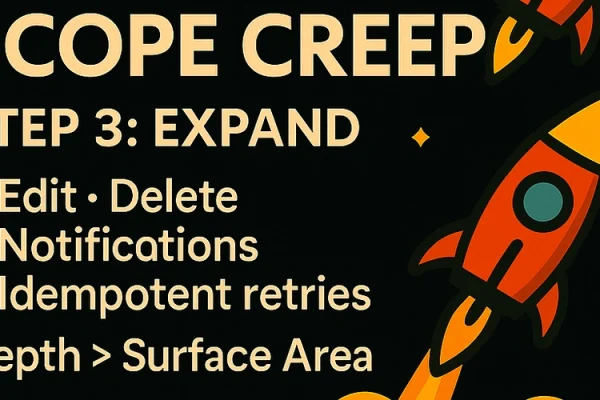
Today is Expand.That means: add “depth” to what already exists. Good additions: Let users edit or delete what they made Show them what happened (notifications) Add retries that don’t break things Bad additions: Refactors that touch everything New concepts that don’t belong here “Since we’re in the code…” detours The temptation is real; who hasn’t…

Read More

AltSchool Of Engineering Tinyuka’24 Month 7 Week 3

Please find the previous class if you missed that here. This week we looked at Linux Admin Essentials. Let’s dive in shall we? Linux Administration Essentials Linux powers the majority of web servers, enterprise systems, and cloud platforms worldwide. Its reliability, flexibility, and security make it the operating system of choice for businesses and developers…

Read More

Automating Partition Cleanup in Oracle with PL/SQL and DBMS Scheduler

Automating Partition Cleanup in Oracle with PL/SQL and DBMS Scheduler The procedure begins by reading from the configuration table CMN_DROP_PARTITION, which defines which partitioned tables need cleanup, how many partitions should be retained, and which partitions must be excluded. For each active table entry, it retrieves the table owner, table name, and retention count. Next,…

Read More

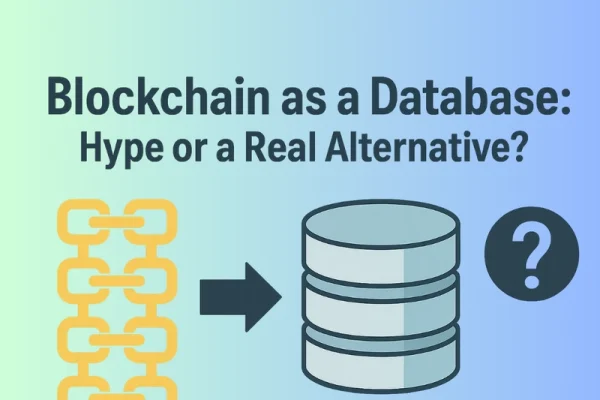
Blockchain as a Database: Hype or a Real Alternative?

Imagine a world where instead of trusting a centralized database, every record you access is validated, immutable, and visible to all. Sounds futuristic? That’s what blockchain promises—but is it really a practical alternative to traditional databases like MySQL, PostgreSQL, or MongoDB? Let’s break it down. Why People Consider Blockchain as a Database Immutability: Once data…

Read More